Transform Your Car: The Ultimate Guide to Car Audio System Installation
Improving a car stereo can substantially boost the experience behind the wheel. Enhanced audio performance and contemporary options, such as Bluetooth connectivity, are strong motivations for numerous drivers. However, choosing the appropriate stereo unit and ensuring compatibility with the vehicle's layout can be somewhat demanding. Additionally, proper installation is essential to prevent frequent mistakes. Comprehending these critical components can enhance both the acoustic performance and the general pleasure of driving. What steps should one take to achieve this upgrade?
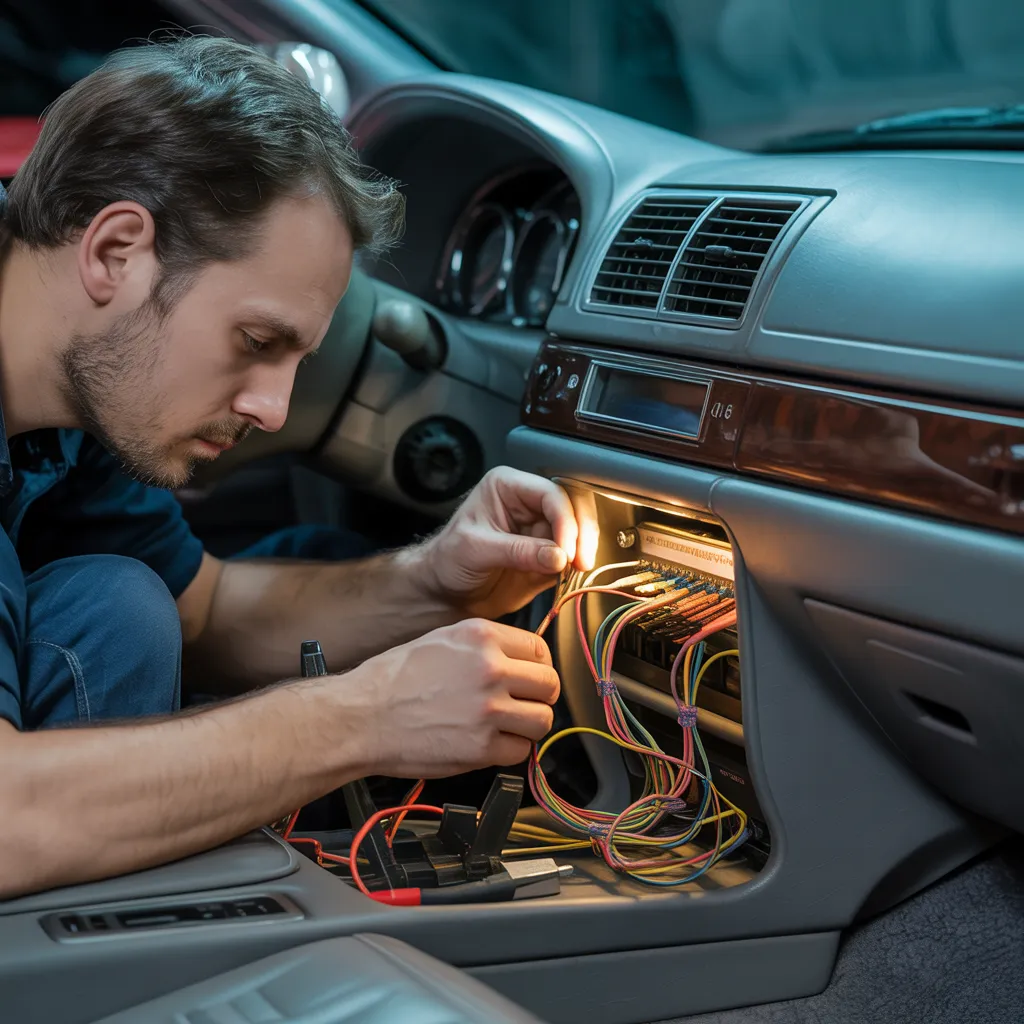
Why Should You Upgrade Your Car Stereo?
Improving a car stereo can greatly improve the ride experience, as drivers often desire superior sound quality and modern features. A large number of drivers discover that stock audio systems lack the audio clarity and power they desire. An aftermarket stereo ensures improved bass, treble, and audio balance, completely changing the overall listening experience.
In addition, current car stereo systems provide connectivity features such as Bluetooth connectivity, USB ports, and smartphone app integration, facilitating seamless connectivity with personal devices. This permits users to easily access their favorite music, podcasts, and navigational tools without difficulty.
Furthermore, a new stereo can provide sophisticated functions like interactive display panels, configurable equalizer settings, and built-in navigation, enabling users to obtain data during travel. As innovations continue to develop, upgrading a car stereo can also safeguard the vehicle against obsolescence, guaranteeing compatibility with future audio systems and formats. Overall, an upgraded car stereo significantly improves the driving experience for both driver and passengers.
Picking the Ideal Car Stereo for Your Preferences
Choosing the best car stereo involves knowing personal preferences and individual requirements. Consumers should consider factors such as sound quality, connectivity options, and compatibility with their vehicle. Different models may offer diverse features, including Bluetooth capability for hands-free calling, USB ports for device charging, and support for streaming services.
Furthermore, buyers need to examine the dimensions of the stereo to ensure it sits properly within their dashboard. Many drivers appreciate a touchscreen interface for simple operation, while other users could prefer standard button controls.
Sound quality is another vital factor; individuals who prioritize audio quality should seek out units featuring greater wattage and sophisticated equalization options.
In conclusion, financial considerations play a major role in the buying journey. By evaluating features, value, and price, individuals can discover the car audio system that is most suitable for their requirements, enriching their overall driving experience.
Must-Have Tools for a Successful Installation
Completing a car stereo installation successfully demands a few essential tools to guarantee the process is efficient and effective. To begin, both Phillips and flathead screwdrivers are essential for removing and securing the stereo unit. Wire strippers and crimpers help connect wires properly, ensuring a solid and reliable electrical circuit. A multimeter proves useful when checking voltage levels, as electrical tape and heat shrink tubing safeguard connections against wear and moisture exposure.
Moreover, a trim removal tool can safeguard the dashboard when reaching the stereo. Cable ties assist in managing and fastening wiring, which is important for maintaining a clean installation. Lastly, having a set of sockets on hand can facilitate the extraction of bolts and screws. By equipping oneself with these instruments, an installer can approach the process with more confidence and precision.
How to Install Your New Stereo in Easy Steps
Mounting a new car stereo demands a structured approach to ensure success. Initially, it is necessary to assemble the needed instruments, followed by the proper disconnection of the old stereo. To complete the process, correctly linking the new system will conclude the setup procedure.
Collect the Required Tools Beforehand
Before diving into installing a car stereo, it's essential to assemble all the needed tools to ensure a seamless experience. Essential items consist of a screwdriver kit, typically Phillips and flat-head, to loosen the screws securing the stereo. A panel removal tool is critical for carefully removing dashboard panels without scratching surfaces. Connectors and wire strippers will be necessary for accurate wiring and reliable connections. Furthermore, a multimeter can help verify that all electrical connections are functioning correctly. It's recommended to have electrical tape or zip ties on hand for keeping wires tidy and organized. To complete your toolkit, a flashlight helps light up dim spaces while installing. By preparing these tools ahead of time, the installation can proceed more smoothly and systematically.
Safely Remove Old Stereo
Properly removing the old stereo is an essential step in the setup procedure. First, the car's battery should be disconnected to avoid electrical hazards or short circuits. Next, the detachment of any trim panels surrounding the stereo is needed; this is typically done with a trim pry tool to avoid damage. Once the trim is off, screws or brackets securing the unit must be removed. With these mounting hardware taken out, carefully extract the stereo from its mounting slot. It is vital to gently remove the wiring harness and antenna cable, ensuring no wires are damaged in the process. After the old stereo is entirely disconnected, it can be set aside, clearing the way for the new installation.
Install New Stereo Correctly
After removing the old stereo, focus turns to properly connecting the new unit. The installer should start by gathering the essential tools, which include wire strippers and connectors. They should then consult the new stereo's wiring diagram, which generally aligns color-coded wires with the vehicle's harness. Proper wire connection is critical; to illustrate, red commonly signals power, whereas black denotes ground. After the connections are established, they should be fastened with connectors or soldered to ensure durability. Next, the installer should insert the new stereo into its mounting bracket and verify it fits securely. Finally, reassemble any panels removed during installation, double-checking all connections before powering on the new stereo to verify functionality.
Hook Up Your Stereo: Wiring and Bluetooth Tips
Wiring a car stereo demands mastering critical electrical connections and mastering the wireless pairing process. Proper installation can improve sound quality, but users may encounter recurring difficulties that need troubleshooting. This guide will offer helpful tips to ensure a reliable connection and peak performance.
Fundamental Wiring Connections
When setting up a car stereo, understanding essential wiring connections is critical for guaranteeing peak performance and full functionality. The essential connections encompass power, ground, and speaker wires. The power wire, commonly red, attaches to the vehicle's battery, delivering the essential energy needed for operation. The ground wire, most often black, guarantees the stereo runs without disruption. Speaker wires, frequently color-coded, attach to the speakers, transmitting audio signals. Properly crimping or soldering these connections is important to prevent shorts or audio issues. Additionally, utilizing a wiring harness can simplify the installation process by providing a plug-and-play solution tailored to the vehicle. Confirming these connections are secure and correctly configured will enhance the overall listening experience and longevity of the stereo system.
Bluetooth Pairing Procedure
Once you have secured the necessary wiring connections, the next step consists of linking the car stereo with a phone or other Bluetooth-enabled device. As a first step, the individual must ensure that Bluetooth is enabled on the device. Next, they should navigate to the system's Bluetooth menu, generally accessible in the main menu. The stereo will typically list a range of discoverable devices. The user identifies their mobile device from this display. A security code may be shown on both screens; acknowledging this code completes the pairing. Once paired, the stereo typically allows for wireless audio and Bluetooth calling. It is wise to test the connection by playing music or making a call to validate that sound quality and functionality work as intended.
Addressing Common Challenges
Addressing typical challenges with car stereo installations necessitates an organized strategy to diagnose and solve problems efficiently. To begin, ensure that all wiring connections are tight and correctly aligned with the vehicle's wiring diagram. Loose or incorrect connections can lead to power failure or distorted sound. If the stereo fails to power on, check the fuse and the vehicle's battery. For Bluetooth connectivity issues, confirm that the device is in pairing mode and within range. Also, confirm that the stereo's firmware is current and fully updated. Should the audio quality be subpar, review the speaker connections and configurations. Finally, consulting the user manual can provide specific troubleshooting steps tailored to the stereo model, enhancing the installation experience.
Top 5 Installation Mistakes to Avoid
While car stereo installation might appear simple, numerous people unintentionally commit serious errors that may result in subpar performance or even harm to the car. One common error is neglecting to disconnect the battery, which may result in electrical shorts or dangerous shock. An additional misstep is neglecting to accurately match the stereo's power specifications and connections, resulting in poor sound quality or complete system malfunction.
Moreover, failing to use proper tools can cause stripped screws or harm to components. Overlooking compatibility with the vehicle's existing system is another pitfall; using a stereo that doesn't fit can lead to installation issues. Finally, poor speaker placement can negatively impact sound quality and audio performance. By sidestepping these five key mistakes, individuals can secure a more efficient installation process and relish improved audio performance in their vehicles.
Common Questions and Answers
Can You Install a Car Stereo Without the Help of a Professional?
Certainly, an individual can set up a car stereo without expert assistance. With the proper tools, a step-by-step guide, and a measure of dedication, many succeed in carrying out the installation independently, elevating their vehicle's audio experience.
What Is the Typical Duration of a Car Stereo Installation?
A car stereo installation typically takes between one to four hours, based on the system's complexity and the vehicle's make and model. Additional factors such as installer experience and available tools may also impact the overall time required.
What Are the Indicators That I Need a New Car Stereo?
Telltale signs that signal it is time for a new car stereo include ongoing data audio distortion, failure to connect external devices, recurring Bluetooth problems, faulty control functions, and an outdated interface. These concerns tend to negatively impact the overall driving experience and enjoyment.
Will Upgrading My Stereo Affect My Car's Warranty?
Modifying a car stereo could affect the vehicle's manufacturer's warranty, particularly if the installation causes damage or if specific components are impacted. It's advisable to consult the warranty terms or an authorized dealer for more information.
Is It Possible to Use My Existing Speakers With a New Stereo?
Older speakers can frequently be repurposed with a new stereo system, as long as they are compatible. However, evaluating their condition and ensuring they meet the new system's power and impedance requirements is essential for best performance.